
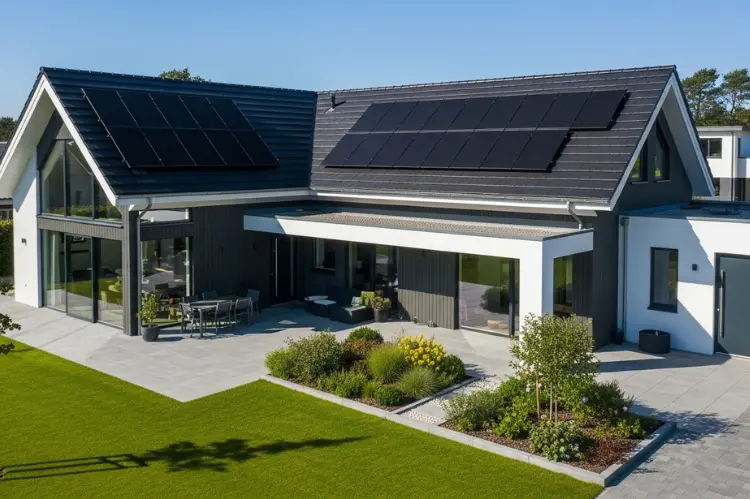
Your roof is more than just the top layer of your home, it’s your first line of defense against the elements, a major factor in energy efficiency, and a big contributor to your property’s curb appeal. Choosing the right roofing material isn’t just about aesthetics or budget. It’s about how well the material stands up to your local climate, how long it lasts, and how much protection it offers your family year after year.
In this guide, we’ll explore the key considerations and available options when it comes to selecting the ideal roofing material that delivers durability, performance, and peace of mind for your household.
Why Roofing Material Selection Matters
The average homeowner may only replace their roof once or twice in their lifetime. Because of that, making the right choice is important for both short- and long-term success. Your decision can affect resale value, insurance costs, and monthly utility bills. It impacts how well your home stays protected from rain, snow, wind, and heat.
High-quality roofing materials prevent leaks and water damage and help manage ventilation and insulation inside the home. For example, according to the folks at Buckeye State Roofing, most roofs can last about 20 years, withstand extreme weather, and reflect solar radiant heat, which helps reduce cooling costs during warmer months. When matched with proper installation and regular maintenance, the right roofing system can ensure your family’s comfort and safety for decades.
Considering Climate and Environmental Conditions
Your local environment should be a key factor in choosing a roofing material. Homeowners in areas with heavy snowfall need roofs that can bear weight and resist ice dam formation. In regions prone to high winds or hurricanes, impact-resistant shingles or standing seam metal roofing may provide better protection.
Moist or coastal climates benefit from materials that resist mold, algae, and saltwater corrosion. In arid or fire-prone regions, it’s wise to choose non-combustible materials like metal, clay, or treated composite shingles that reduce the risk of fire damage.
UV resistance is another consideration in sunny areas. Some modern roofing materials come with UV-reflective coatings that reduce heat absorption, lowering your cooling costs during the summer.
Lifespan and Warranty Expectations
Not all roofing materials are created equal when it comes to longevity. Some, like asphalt shingles, offer good performance for a few decades but will eventually need replacement. Others, like metal and slate, are built to last a lifetime with minimal upkeep.
Warranties are often a reflection of the material’s expected durability. A typical asphalt roof may come with a 20- to 30-year warranty, while metal and synthetic roofing systems may offer warranties up to 50 years or more. It’s important to read the fine print, as warranties can vary in terms of coverage for installation defects versus material performance.
Always ask if the warranty is transferable. If you plan to sell your home, a transferable roof warranty can be a strong selling point for potential buyers.
Cost vs. Value Over Time
Budget is always a key concern, but it shouldn’t be the only deciding factor. Lower-cost materials may save you money up front, but require more frequent repairs or early replacement. Higher-end materials often come with a greater initial investment but offer better durability, energy savings, and long-term value.
Metal, tile, and slate roofs may seem expensive initially, but they can increase your home’s market value and lower insurance premiums due to their fire resistance and long lifespan. You should factor in savings from improved energy efficiency and fewer maintenance needs.
To determine value, it helps to consider the cost per year of service. A $10,000 roof that lasts 50 years costs less annually than a $7,000 roof that needs replacement in 20 years.
Installation and Maintenance Considerations
A roof is only as good as its installation. Even the best materials will underperform if installed incorrectly. That’s why hiring a licensed and experienced roofing contractor is crucial.
Certain materials, like slate, clay tiles, and metal, require specialized knowledge to install properly. Before committing to a material, make sure you have access to skilled local professionals who understand how to handle it.
Maintenance plays a big role in extending your roof’s lifespan. Asphalt shingles may need periodic inspection for granule loss or curling, while metal roofs should be checked for loose seams or rust. Keep gutters clean, trim overhanging branches, and schedule annual inspections to catch minor issues before they become major repairs.
Choosing the right roofing material is a long-term investment in your family’s safety, comfort, and peace of mind. From asphalt shingles to slate tiles, each material brings unique benefits and potential drawbacks that must be considered carefully. With thoughtful evaluation of your needs, local conditions, and budget, you can select a solution that stands the test of time.
And when in doubt, reach out to local experts who can assess your home and walk you through options that make the most sense for your situation. A good roof doesn’t just sit above your home, it protects everything beneath it.
Read Next: Roofing Service Guide: Invest in Quality Roofing Expertise

