
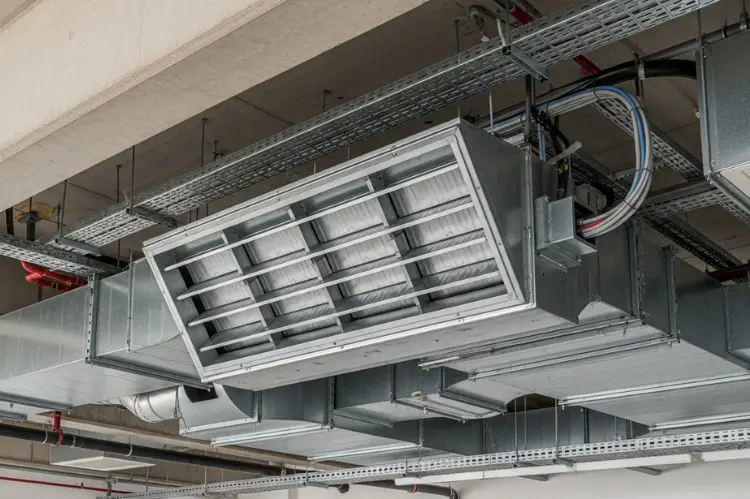
The durability of a fire damper determines the reliability of a fire safety system. Over the years, some equipment maintains its performance, while others deteriorate more quickly. These differences are due to technical choices and operating conditions. Identifying the right criteria ensures stable and long-lasting protection.
The Quality of the Materials Used
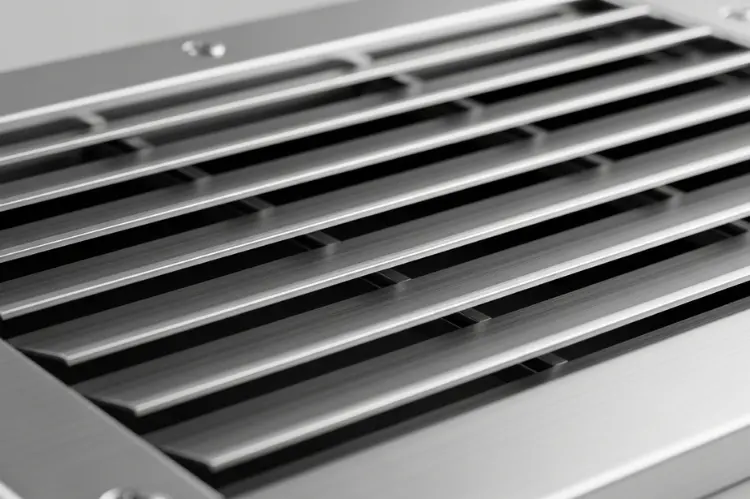
The choice of materials directly influences mechanical strength and durability.
A grille designed with unsuitable materials will suffer accelerated wear and tear.
The most decisive factors remain:
- the type of metal according to the environment
- corrosion resistance
- the stability of intumescent components
Suitable materials slow down the natural aging of the equipment.
Operating Environmental Conditions
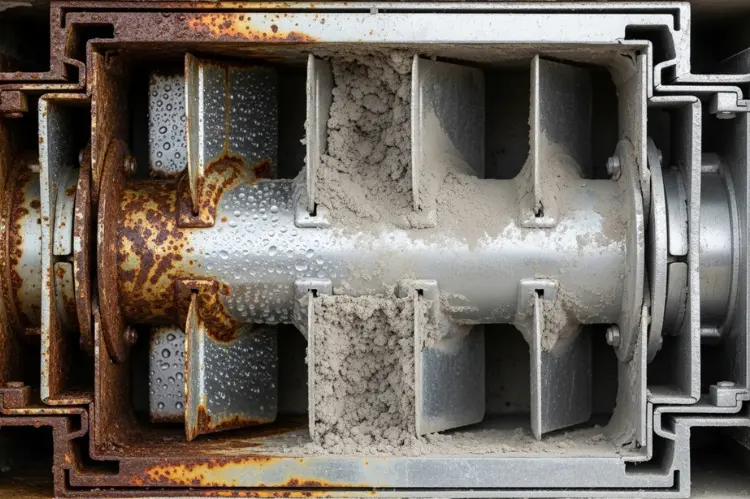
The environment has a continuous effect on fire dampers.
Humidity, temperature variations, and indoor pollution influence their condition.
In some buildings, these constraints are permanent.
Prolonged exposure weakens structures if the damper is not suitable.
Frequency and Intensity of Stress
Not all gratings are subject to the same level of stress.
A grating installed in a highly ventilated network is under constant stress.
Repeated air flows cause gradual material fatigue.
Intensive use places higher demands on the product selection process.
The Quality of the Initial Installation
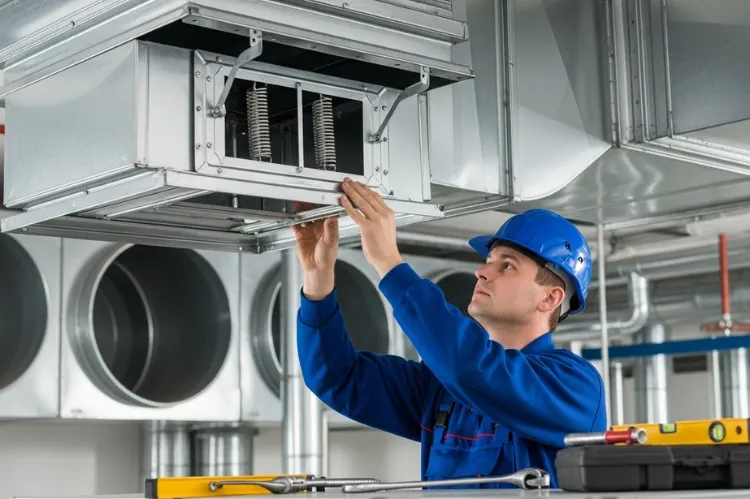
A poorly executed installation has a direct impact on the product’s lifespan.
Defects sometimes appear several months after installation.
The most common causes are:
- misalignment of the frame
- unsuitable fasteners
- failure to follow the manufacturer’s instructions
Proper installation limits long-term mechanical stress.
Maintenance and Monitoring Over Time
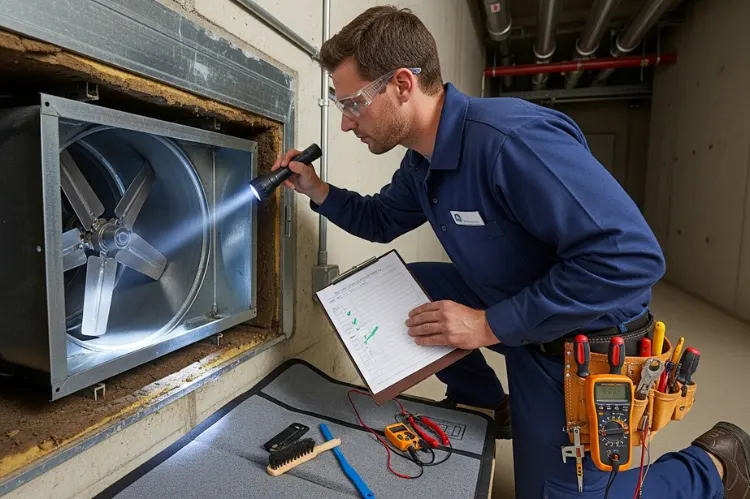
Without maintenance, a fire damper deteriorates more quickly.
Dust and residue accumulate in the mechanisms.
This accumulation can block the response in the event of a fire.
Regular monitoring extends the service life without loss of efficiency.
Technical Design and Manufacturing Quality
Durability also depends on the internal design of the product.
Precise assembly reduces progressive deformation.
Careful finishing limits corrosion points.
Rigorous manufacturing ensures long-lasting stability.
Compatibility With the Ventilation System
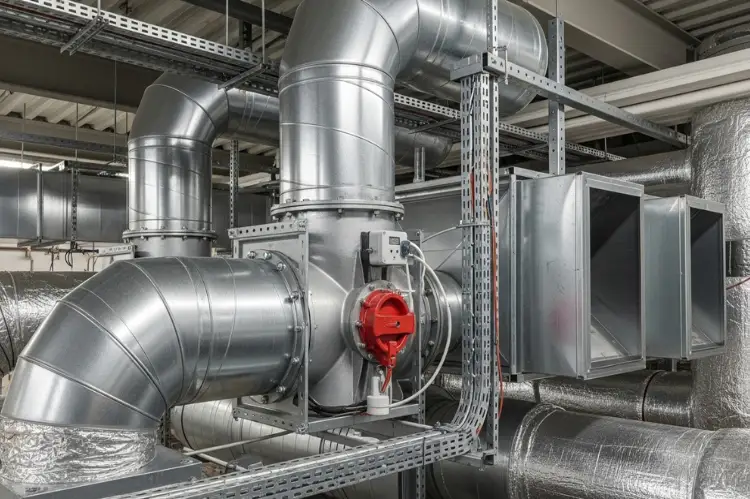
A fire damper must be integrated into the existing ventilation network.
This also applies to specific configurations such as a fire door ventilation grille, installed directly within a fire-rated door.
An imbalance between air flow and mechanical resistance creates continuous stress.
This stress accelerates component wear.
Consistent integration improves the overall longevity of the installation.
Product Traceability and Parts Availability
Sustainability also depends on tracking the product over time.
A well-referenced grid facilitates targeted checks and replacements.
The lack of compatible parts complicates maintenance.
Good traceability limits heavy and costly interventions.
Product Traceability and Parts Availability
Sustainability also depends on tracking the product over time.
A well-referenced grid facilitates targeted checks and replacements.
The lack of compatible parts complicates maintenance.
Good traceability limits heavy and costly interventions.
The Impact of Future Uses of the Building
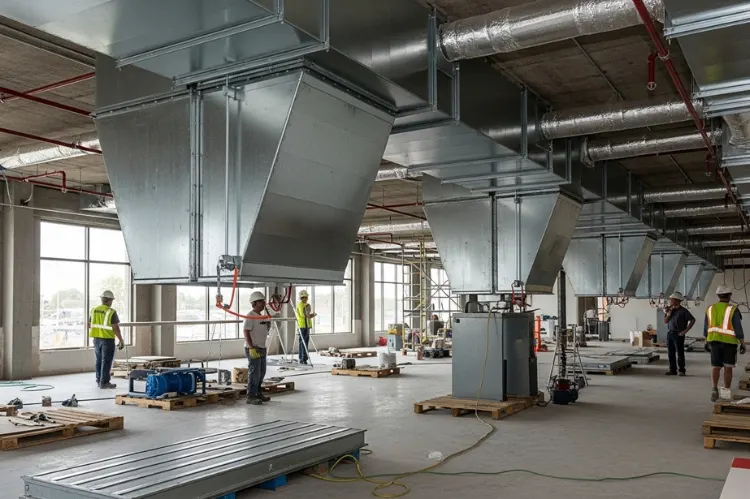
The use of a building can change over the years.
A change in activity alters the constraints on equipment.
A commercial space can become industrial or logistical.
Anticipating these changes increases the durability of the grilles installed.
Regulatory compliance and obsolescence
A grille can remain in good condition while becoming non-compliant.
Standards change regularly.
Certain points must be anticipated:
- changes in fire safety requirements
- technical limitations of older models
- requirements during safety inspections
Anticipating These Changes Avoids Unexpected Replacements
The durability of fire grilles depends on several complementary factors.
Materials, environment, installation, and maintenance all play a role.
A well-informed choice guarantees stable performance over time.
This approach enhances safety and controls operating costs.
The Role of Operational Documentation and Technical Support
Durability is also influenced by the quality of technical documentation provided with the product.
Clear installation manuals reduce the risk of incorrect assembly.Detailed maintenance instructions support consistent servicing over time.
Access to technical support allows faster issue resolution when anomalies appear.Poor documentation often leads to misuse or delayed interventions.
Well-documented products remain reliable for longer periods in real operating conditions.
Long-term Performance Monitoring and Preventive Strategy
Durability improves when fire dampers are included in a preventive maintenance strategy.
Scheduled inspections help detect early signs of fatigue or deformation.
Performance monitoring ensures the damper reacts correctly under simulated conditions.
This proactive approach reduces emergency repairs and unexpected downtime.
Preventive strategies also support compliance during safety audits.
Monitoring performance over time reinforces trust in the fire protection system.
The durability of fire grilles depends on several complementary factors.
Materials, environment, installation, and maintenance all play a role.
A well-informed choice guarantees stable performance over time.
This approach enhances safety and controls operating costs.
Read Next: Mold in Home: Early Signs, Health Risks, and Prevention Tips

