
Selling a home can bring a mix of anticipation and stress. It’s a major transaction with a lot at stake, and how the process unfolds can significantly impact your financial outcome.
While many sellers focus on staging or timing the market, it’s often the less obvious missteps that create the biggest setbacks. If you’re preparing to put your property on the market, learning what *not* to do might be your most valuable move.
Let’s look at six common mistakes that often trip up sellers—and how you can avoid them.
Trying to Handle Everything on Your Own

Something is appealing about the idea of doing it all yourself. Keeping full control, avoiding agent fees, and managing the timeline on your terms might sound ideal at first. But the reality can be much more complicated. Selling a property requires a strong understanding of legal requirements, pricing strategy, negotiation skills, and marketing tactics.
Without the right expertise, you could miss key details that affect your bottom line. You might think listing on a few websites and putting a “For Sale” sign in the yard is enough—but if you’re serious about Easy House Selling in Callahan, working with someone who knows the local market can save time, reduce stress, and help you get better offers.
This becomes even more relevant in smaller towns or unique markets where pricing trends and buyer behavior don’t always follow national patterns.
Overpricing the Property From the Start

Setting the asking price too high is a mistake that can quietly sabotage your sale before it even begins. Sellers often anchor to a number they “need” to get or feel emotionally tied to the home’s value based on their memories and improvements.
Buyers don’t see the same sentimental value. They compare your home against others in their budget, and if yours seems overpriced, they’ll likely scroll right past it.
Worse, a home that sits on the market too long can begin to look suspicious. Buyers may assume something’s wrong with it or feel empowered to lowball.
A price reduction later might help, but the lost time can’t be regained. Competitive pricing from the beginning usually leads to better traction and more serious interest.
Ignoring Curb Appeal and First Impressions

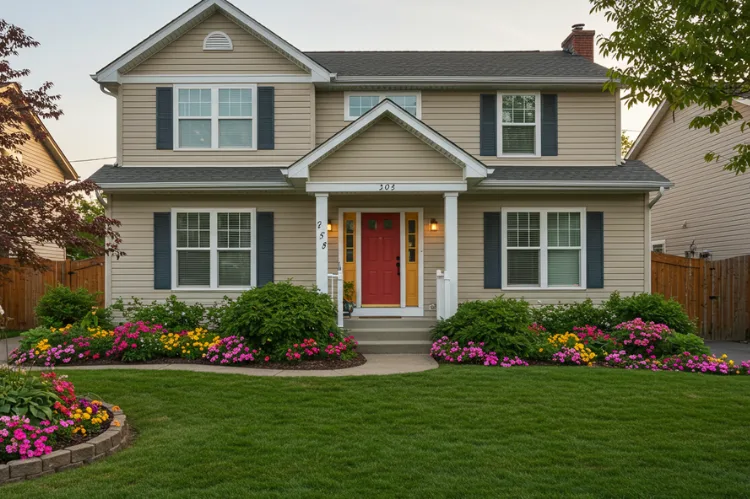
Online photos get people in the door, but curb appeal determines how they feel once they’re standing in front of your home. A neglected yard, chipped paint, or a dirty walkway might seem minor, but buyers often make their judgment in the first few seconds. These initial impressions can influence how they view the entire property.
Basic cleanup, fresh mulch, trimmed hedges, and a clean front entry can go a long way. You don’t have to invest thousands in a full exterior makeover. But if buyers feel like they’re walking into a property that’s been cared for, they’re more likely to approach the rest of the showing with a positive mindset.
Getting Too Emotionally Involved in the Sale

It’s easy to get attached to a place you’ve lived in, especially if you’ve made memories there. But selling a home is a financial transaction at its core. When sellers take criticism personally, overreact to offers they feel are too low, or refuse to make reasonable concessions, the process can stall.
Buyers aren’t trying to offend you when they ask for repairs or point out flaws. They’re making a business decision. Keeping emotional distance allows you to stay focused on the deal itself rather than how it makes you feel. The more flexible and open-minded you are, the more likely you’ll be to navigate the ups and downs of negotiation with less stress.
Skipping a Pre-Sale Inspection

Waiting until a buyer arranges a home inspection can be risky. If they discover issues you weren’t aware of—or chose not to address—they may back out or use it to renegotiate. This can add delays or even collapse a deal late in the process.
A pre-sale inspection gives you a clearer picture of what to expect and allows you to address issues on your timeline, often for less money. It also builds trust with buyers who see that you’ve taken the initiative to present the property transparently. Surprises are rarely a good thing in real estate, especially during escrow.
Neglecting to Market the Property Properly
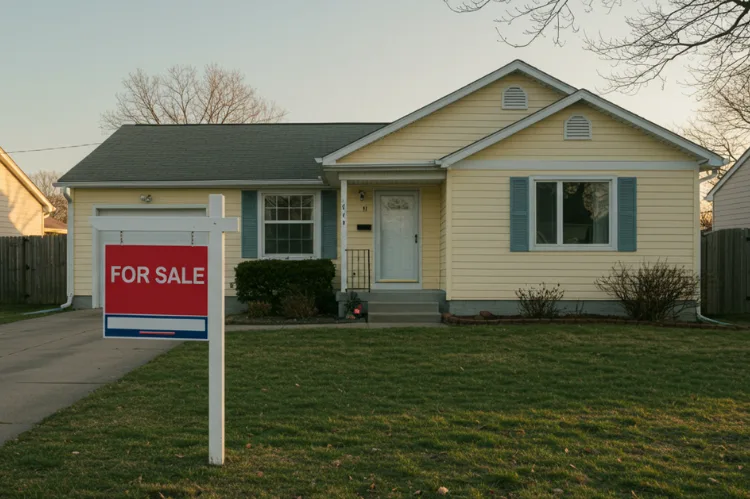
Even the best homes won’t sell if no one sees them. Relying on a single platform or assuming word-of-mouth will do the job is a gamble. Today’s buyers look across multiple channels—online listings, social media, real estate apps, and agent networks. If your property isn’t getting exposure in all the right places, it’s not going to stand out.
Marketing goes beyond photos and a short blurb. High-quality visuals, clear and informative descriptions, video tours, and well-timed open houses make a difference. The goal is to create a sense of urgency and interest right from the start. If your listing feels like an afterthought, that’s how buyers will treat it.
Selling a property doesn’t have to be overwhelming, but it does require a thoughtful approach. By recognizing these common missteps—going it alone, overpricing, ignoring curb appeal, getting too attached, skipping inspection, and under-marketing—you give yourself a better shot at a smooth and profitable sale. Preparation and the right mindset can turn what seems like a high-stakes challenge into a well-managed transaction.
Read Next: When to Serve an Eviction Notice: Key Signs Landlords Shouldn’t Ignore

